

I have suffered from digestive issues, bloating, and discomfort since I was 30. I decided to listen to my body and started cutting out foods I could not tolerate. It helped some, but unfortunately, I still struggled with bloating and discomfort, albeit less severely.
My family and I went to Amsterdam a few summers ago to support my son’s jazz music endeavors. I love Europe for many reasons, but the food is one of the biggest. Since I had never been to Amsterdam, I decided to try some dishes with ingredients I was intolerant of because I wanted to experience the culture. Of course, I expected the symptoms afterward, but they never came.When we returned to the States, I began to suffer the same symptoms as always— bloating and discomfort. I racked my brain to find some explanation for why I could splurge a little when I was in Amsterdam, but not when I was in California.
I listed all the differences between my time in the two cities, and the big one that kept standing out was that we walked most places daily. Before moving to Los Angeles, I lived in New York City, where I didn’t suffer from digestive issues. In NYC, I walked everywhere for the most part. Since moving to Los Angeles, I had to accept that it was necessary to drive to most places. The city is enormous, and getting from one appointment to the other usually takes thirty to forty minutes by car. I worked out regularly, but I only walked the dog, which was sporadic, and we didn’t go far. Then, I thought about walking and how hip flexion muscles also contribute to abdominal flexion and realized that my neglect of walking might contribute to my stomach issues. So, I started walking the dogs more regularly. I walked faster and farther, and guess what? My symptoms began to subside! Finally, after listening to my body, I heard. Whenever I feel digestive discomfort, I realize I haven’t walked as much as I need.
After my discovery, I researched how movement affects gut health. I was surprised to learn of a recent scientific discovery that explains how gentle movement “modifies the gut microbiota, with positive health effects.” Microflora in our gut provides nutrients, regulates epithelial development, and improves our immune system. “The gut microbiota plays various important functions for the host’s health. For example, the gut microbiota is essential for the motility of the gastrointestinal tract, facilitating peristalsis.”
In other words, it helps the intestines facilitate wave-like muscle contractions that move food through the digestive tract. Recent findings suggest low-intensity exercise can influence the GIT, reducing the contact time between pathogens and the gastrointestinal mucus layer. As a result, experts believe gentle movement has protective effects, reducing the risk of colon cancer, diverticulosis, and inflammatory bowel disease.
Moving our bodies every day is essential. It gets our blood flowing and our hearts beating and has many benefits:
• Reduced risk of heart disease
• Increased muscle strength
• Reduced body fat
• Stronger bones
• Increased heart and lung fitness
• Increased digestive function
Walking
Walking briskly for thirty minutes daily ensures health benefits; if difficult, try walking for ten minutes three times daily. Some ways to walk more are walking the dogs (my favorite), walking instead of driving, parking your car at a central location, and walking to all the shops. Also, you can start taking stairs instead of elevators or escalators or park far away from your destination and walk the rest of the way. These are just some ideas. There are endless ways to incorporate more walking into your daily schedule.
Yoga Stretching
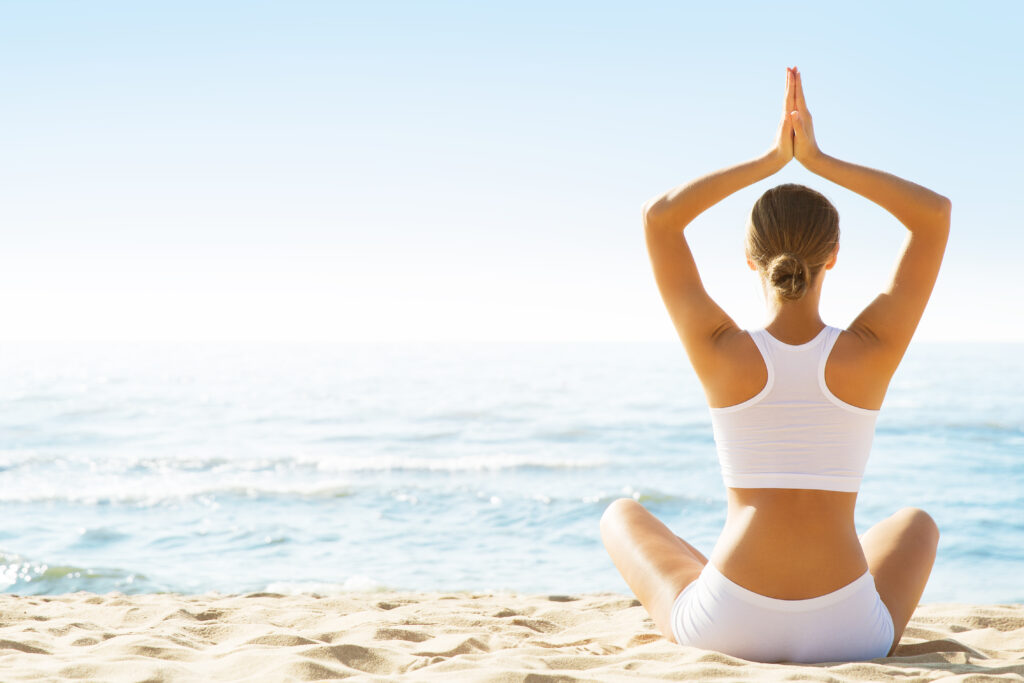
I am a big fan of yoga stretching. The gentle stretching releases toxins and stuck energy from stress in our lives. It allows us to treat our bodies with kindness and love. By listening and responding to our bodies this way, we focus on breathing and being present. Yoga stretching brings calmness and rejuvenation through alignment with our inner core. It improves bal- ance, strength, and flexibility and can ease arthritis symptoms and back pain.
Working with a professional in a class setting or one-on-one is the best way to ap- proach yoga, although you can teach yourself if you don’t have any physical issues. Please consult with your physician to ensure that yoga is advisable for you.
According to Very Well Fit, the Best Yoga Apps of 2023 are
-
Best Overall: Yoga Studio by Gaiam
-
Best for All Fitness Levels: Down Dog
-
Best for Community Support: Daily Yoga for Busy People: Glo
-
Best for Kids: Simply Yoga
-
Best on a Budget: Yoga Workout
-
Best for Beginners: Pocket Yoga
-
Best for the Office: 5-Minute Yoga
I use Glo and enjoy it very much.
Some of my favorite yoga stretches are:
• Child’s Pose
• Legs Up the Wall
• Cat and Cow Pose
• Seated Heart Opener
• Forward Fold
• Happy Baby
Monda, V., Villano, I., Messina, A., Valenzano, A., Esposito, T., Moscatelli, F., Viggiano, A., et al. “Exercise Modifies the Gut Microbiota with Positive Health Effects.” Oxidative Medicine and Cellular Longevity. https://www.ncbi.nlm.nih.gov/pmc/articles/ PMC5357536/.
Luff, C. 2023. Best Yoga Apps of 2023. Verywell Fit (February 9). Retrieved February 24, 2023, from https://www.verywellfit.com/best- yoga-apps-4176689.

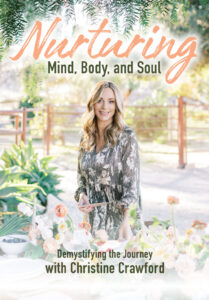
Hi there! I’m Christine, the heart and hands behind Christine Crawford Health. I’m passionate about sharing tips, recipes, and insights to help you nurture your mind, body, and soul. Like everything on my site, this article comes from my personal journey and my love for helping others find balance and joy. If you’d like to connect or learn more, feel free to email me at christinecrawfordhealth@gmail.com Thank you for being part of this journey with me!