The Power of Plants: Why Eating the Rainbow Matters
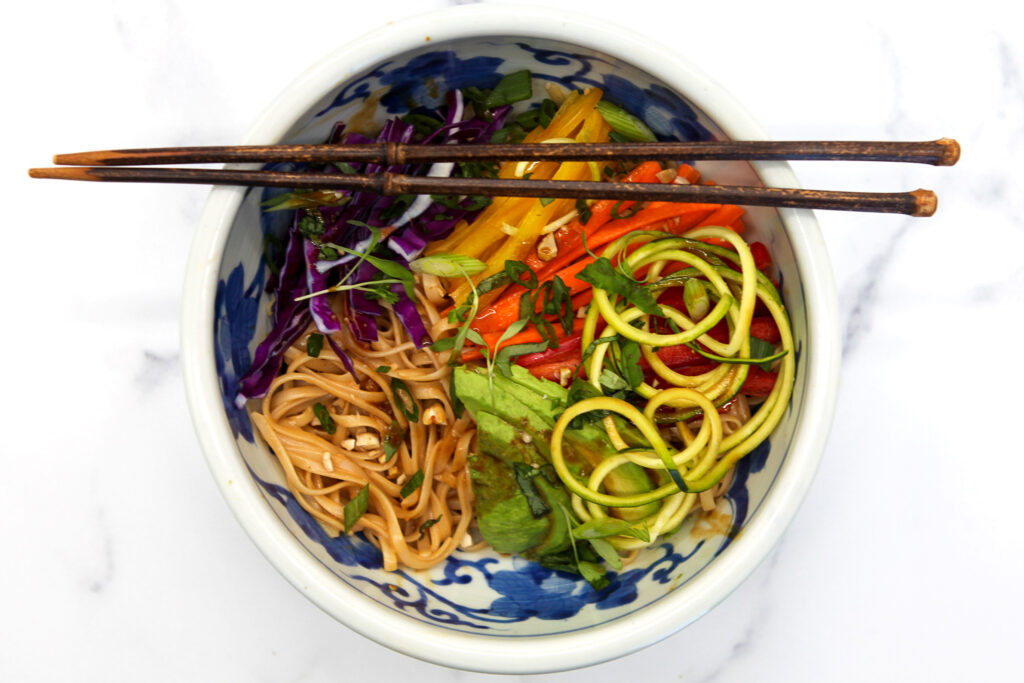
You’ve likely heard the phrase “eat the rainbow,” but what does it really mean? This simple advice refers to including a wide variety of colorful fruits and vegetables in your daily diet. Each color represents different phytonutrients—natural compounds found in plants that offer powerful health benefits. By eating a spectrum of colors, you’re giving your body a diverse range of vitamins, minerals, antioxidants, and fiber that work together to support overall wellness.
Red vegetables like tomatoes, red bell peppers, and beets are rich in lycopene and anthocyanins, which support heart health and may help reduce the risk of certain cancers. Orange and yellow veggies, such as carrots, sweet potatoes, and squash, are loaded with beta-carotene—a precursor to vitamin A, which boosts vision and strengthens the immune system. Green vegetables like spinach, kale, and broccoli provide folate, iron, and lutein, promoting healthy blood and sharp eyesight. Blue and purple vegetables like eggplant and purple cabbage are full of antioxidants that protect the brain and fight inflammation.
Vegetables are also naturally low in calories and high in fiber, which supports healthy digestion and helps regulate blood sugar. Including more plant-based meals in your routine has been linked to lower rates of chronic conditions like heart disease, type 2 diabetes, and even cognitive decline. Plus, their high water content helps keep you hydrated, and the fiber they provide promotes a feeling of fullness, which can support weight balance without deprivation.
One easy and delicious way to start eating the rainbow is with my Spring Roll Bowl—a fresh, vibrant dish packed with spiralized veggies, rice noodles, and a tangy homemade sauce. It’s a perfect example of how colorful eating can be just as satisfying as it is nourishing. Get Recipe Here